If you've been exploring alternatives to traditional central air conditioning, chances are you've come across the term "ductless mini split." But what exactly is it, how does it work, and is it the right fit for your home? Let's break it all down.
The Basics: What Is a Ductless Mini Split?
A ductless mini split is a heating and cooling system that delivers conditioned air directly into a room, without requiring any ductwork. In its simplest form, a mini split consists of two main components: an outdoor compressor/condenser unit and one or more indoor air handling units, connected by a small conduit that runs through a 3-inch hole in the wall.
That conduit carries the refrigerant line, a power cable, a condensate drain, and communication wiring, everything the system needs to operate. No massive ductwork running through attics and crawlspaces. No major renovation. Just targeted, efficient comfort.
Key fact: According to the U.S. Department of Energy, duct losses in central air systems can account for more than 30% of energy consumption for space conditioning. Mini splits eliminate this loss entirely by delivering air directly to each zone.
How Does a Mini Split Work?
Mini splits work on the same fundamental principle as any air conditioner or heat pump: the refrigeration cycle. Here's the process in plain terms:
- Cooling mode: The indoor unit absorbs heat from your room's air and transfers it through the refrigerant line to the outdoor unit, which expels that heat outside. Cool, dehumidified air is blown back into your room.
- Heating mode (heat pump): The process reverses. The outdoor unit extracts heat from the outdoor air, even in cold temperatures, and pumps it inside. Modern hyper-heating models can operate efficiently down to -22°F (-30°C).
- The inverter advantage: Most modern mini splits use inverter-driven compressors that continuously adjust speed rather than cycling on and off. This means more stable temperatures, quieter operation, and 30-50% less energy consumption compared to fixed-speed systems.
Key Components of a Mini Split System
Indoor Unit (Evaporator)
Mounts on the wall, ceiling, or floor. Contains the evaporator coil, fan, filter, and louvers that direct airflow. Available in wall-mount, ceiling cassette, floor console, and concealed duct styles.
Outdoor Unit (Condenser)
Houses the compressor, condenser coil, and expansion valve. Can be placed up to 50 feet from the indoor unit. One outdoor unit can power multiple indoor units (multi-zone).
Line Set (Refrigerant Tubing)
Copper tubing that carries refrigerant between indoor and outdoor units. Pre-charged line sets make DIY-friendly installations possible, though professional installation is recommended.
Controls & Thermostat
Most units include a wireless remote. Many modern models add Wi-Fi connectivity for smartphone control, smart home integration (Alexa, Google Home), and programmable scheduling.
Who Are Mini Splits Best For?
Mini splits aren't just a niche product. They've become mainstream for good reason. Here are the most common scenarios where they shine:
- Homes without existing ductwork: Older homes with radiators, baseboard heaters, or no HVAC at all.
- Room additions and conversions: Garages, attics, basements, ADUs (accessory dwelling units), and sunrooms where extending ductwork is impractical or too expensive.
- Home offices and studios: Individual zone control means you only condition the room you're actually using.
- Multi-family and rental properties: Each unit gets independent climate control without shared ductwork.
- Supplemental cooling/heating: Solve "hot spots" and "cold spots" that your central air can't reach effectively.
- New construction and net-zero homes: High efficiency ratings (SEER2 up to 40+) make mini splits ideal for energy-conscious builds.
Advantages of Going Ductless
Energy Efficiency
Without ducts, there's zero energy lost to leaky ductwork. Combined with inverter technology, modern mini splits achieve SEER2 ratings of 20-40+, compared to 14-18 for most central air systems. This translates to real monthly savings of 20-40% on your heating and cooling bills.
Zone Control
Each indoor unit operates independently. The bedroom can be 68°F while the living room is 72°F. No more thermostat wars. Multi-zone systems support 2 to 5+ zones from a single outdoor unit.
Easy Installation
A professional can typically install a single-zone mini split in 4-8 hours. The only opening needed is a 3-inch hole through an exterior wall. Compare that to the days (or weeks) it takes to install a full ducted system.
Quiet Operation
Indoor units typically operate at 19-40 decibels, quieter than a whisper at the low end. Outdoor units range from 48-60 dB. This makes mini splits ideal for bedrooms, home offices, and recording studios.
Year-Round Comfort
Most mini splits are heat pumps, meaning they both cool and heat. One system, one installation, year-round comfort. In moderate climates, a mini split can be your sole HVAC system.
What About the Drawbacks?
No system is perfect. Here are a few things to keep in mind:
- Upfront cost: A single-zone mini split installed runs $3,000-$5,000, more than a window unit, though utility rebates can help offset it.
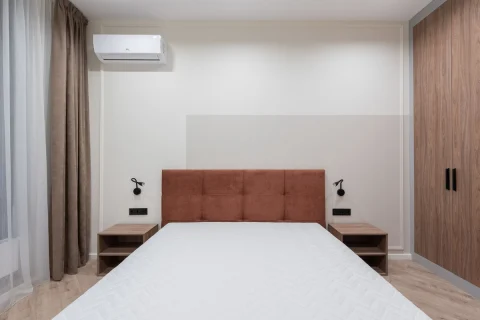
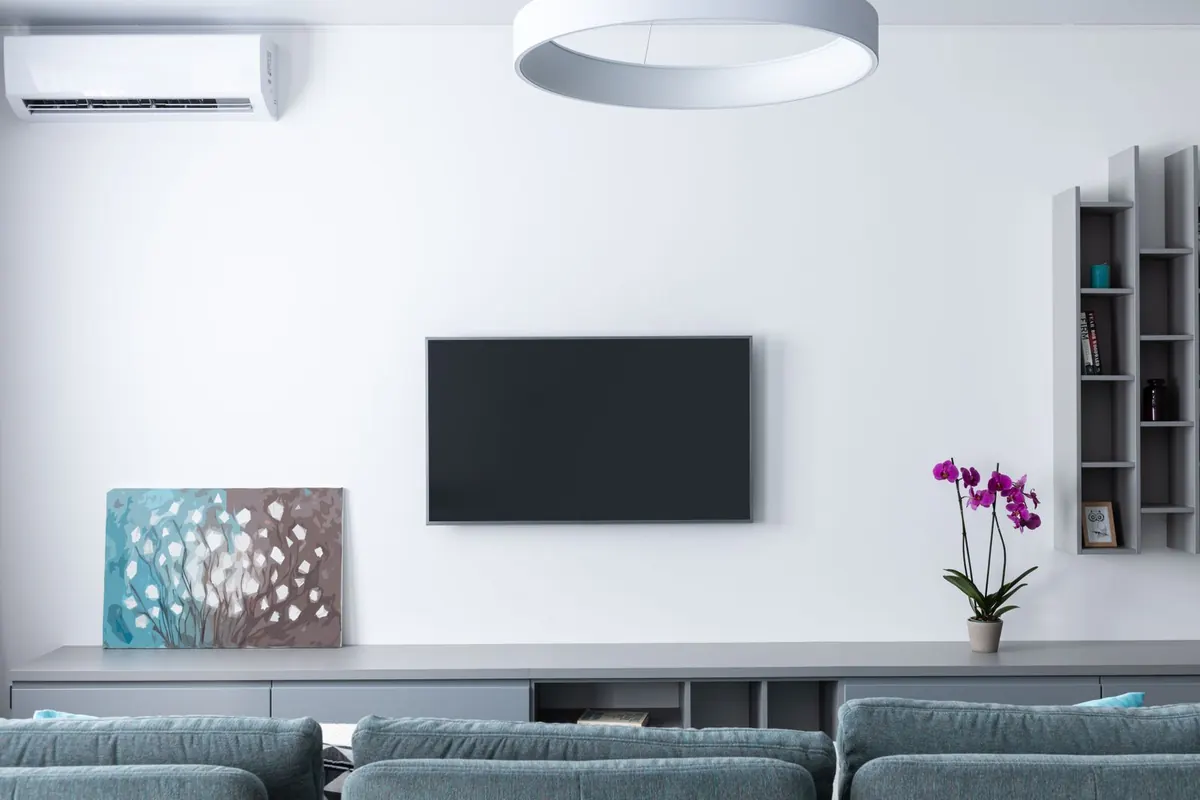
- Aesthetics: The indoor unit is visible on your wall. However, ceiling cassettes and concealed duct options offer less visible alternatives.
- Not ideal for whole-home if you already have good ductwork: If your home already has a well-sealed, efficient duct system, a central unit may still make sense.
- Filtration: Standard mini split filters are not as fine as MERV 13+ filters used in some ducted systems. For advanced filtration, consider supplemental air purifiers.
The Bottom Line
Ductless mini splits have evolved from a niche solution into one of the most versatile, efficient, and practical HVAC options available today. Whether you're adding comfort to a single room or designing an entire home's climate system, mini splits offer precision, efficiency, and flexibility that traditional systems simply can't match.
The technology keeps getting better: smarter controls, higher efficiencies, quieter operation, and wider operating temperature ranges. If you've been on the fence, 2026 is an excellent time to make the switch.