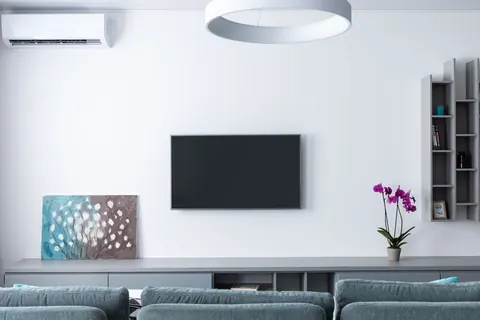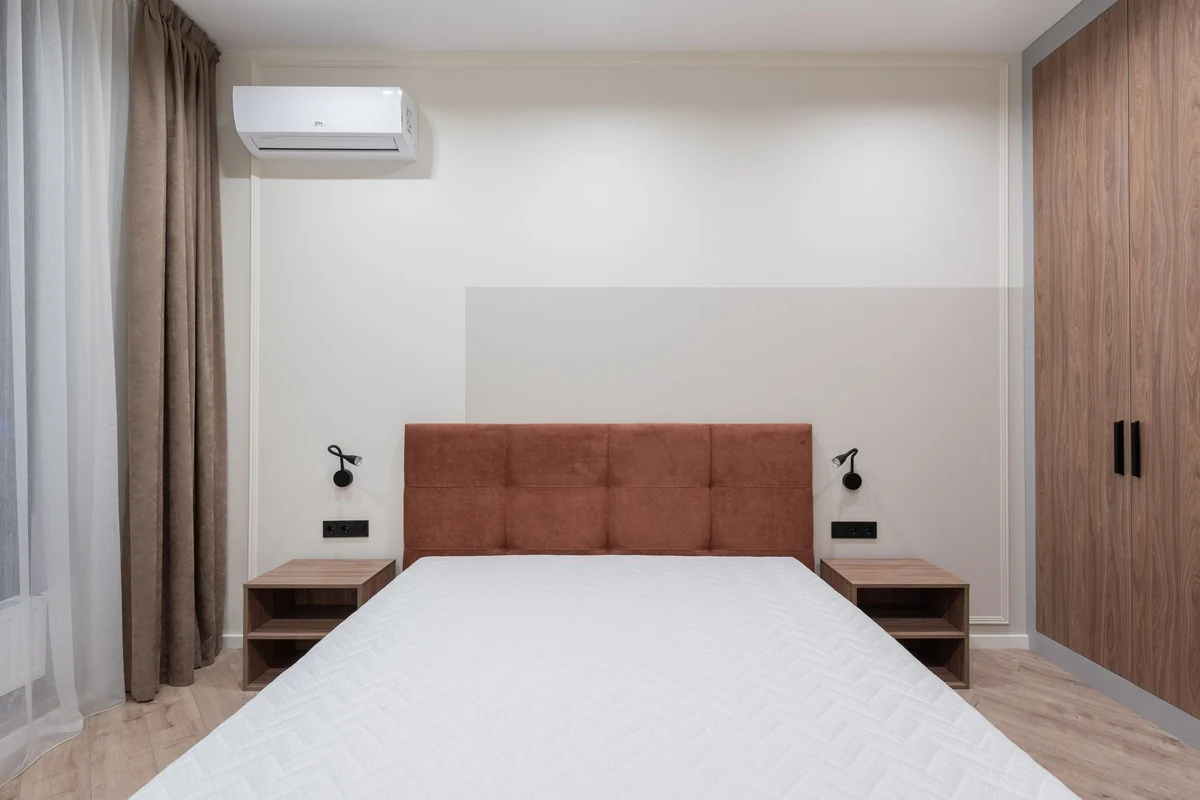
A single zone mini split is the simplest version of a ductless system: one outdoor compressor unit paired with exactly one indoor air handler, built to heat and cool a single room or open area without any ductwork. If you have a home office that never gets comfortable, a garage conversion, a sunroom, or a bedroom addition that your central air can't reach, a single-zone system is very likely the right tool for the job, and it's one of the most cost-effective ways to add targeted comfort to a home.
Unlike multi-zone mini splits, which run several indoor heads off one outdoor condenser, a single-zone system dedicates its full outdoor unit capacity to one indoor head. That one-to-one relationship makes single-zone systems simpler to size, cheaper to install, and generally more efficient per zone, since there's no capacity being split or balanced across rooms. This guide walks through exactly what a single-zone mini split is, how to size and install one correctly, and when it beats the alternatives.
What Makes a Single-Zone Mini Split Different
Every mini split, single or multi-zone, uses the same basic architecture: an outdoor compressor/condenser unit connected by a refrigerant line set to an indoor air handler, with an inverter-driven compressor that ramps output up and down instead of just switching fully on or off. The inverter technology is what allows a mini split to hold a room at a precise setpoint rather than overshooting and cycling, and it's a major reason ductless systems save energy compared to older single-speed equipment.
One Outdoor Unit, One Indoor Head
Because a single-zone system only ever talks to one indoor head, the outdoor unit's entire BTU capacity is available to that room at all times. There's no shared refrigerant circuit to balance, no zone-priority logic, and no risk that running a second room will starve the first of capacity. This is the main practical reason many installers recommend single-zone units when a homeowner only actually needs to condition one space: Single-Zone vs Multi-Zone Mini Splits: What's the Difference? covers the tradeoffs in more depth if you're on the fence about which configuration your project needs.
Not Just for Small Rooms
It's a common misconception that single-zone systems are only for small spaces. A single-zone outdoor unit can be matched to an indoor head rated anywhere from 9,000 BTU for a small bedroom up to 24,000 BTU for a large open living area, garage, or converted basement. The "single-zone" label describes the wiring configuration, one outdoor unit to one indoor head, not the room size it can handle.
Key fact: Most residential mini split rooms fall in the 9,000-24,000 BTU range, and a single-zone outdoor unit is matched almost exactly to the indoor head's rated capacity, unlike multi-zone systems where combined indoor head capacity can exceed the outdoor unit's rated output.
Sizing a Single-Zone System Correctly
Sizing is where most single-zone mini split projects succeed or fail. Oversizing causes short-cycling, humidity problems, and wasted money on equipment; undersizing means the unit runs flat-out and never quite catches up on the hottest or coldest days. A rough starting point is 20 BTU per square foot for a well-insulated room, adjusted up for high ceilings, large west-facing windows, poor insulation, or a kitchen/equipment room with extra heat load, and adjusted down for heavily shaded rooms or mild coastal climates.
As a working example, a 300 square foot bedroom with standard insulation and one modest window lands close to a 9,000-12,000 BTU indoor head. The same 300 square feet with a wall of west-facing glass, a vaulted ceiling, or a poorly insulated garage conversion can easily push that requirement to 15,000-18,000 BTU. This is exactly why a load calculation, not a square-footage chart alone, should drive the final equipment selection.
Climate Matters As Much As Square Footage
A single-zone mini split sized for a bedroom in Sacramento, where summer highs regularly clear 100F and winters stay mild, needs to be sized with that cooling load specifically in mind. Coastal San Diego homes sit in a milder zone with a lower cooling load but still benefit from a system sized to manage marine-layer humidity. Along the Bay Area and other coastal stretches of California, the marine layer's humidity and salt air don't change BTU sizing much, but they do affect how quickly an outdoor unit's coils corrode over time, which is a maintenance consideration more than a sizing one.
Pro tip: Don't round up just in case. A single-zone mini split that's oversized for the room will cool the air quickly but shut off before it has time to pull humidity out, leaving the room feeling cold and clammy instead of comfortable. Matching the unit to a proper load calculation, not just square footage, is worth the extra ten minutes with your installer.
Efficiency, SEER2, and Cold-Climate Heating
Every mini split sold new in the U.S. has to meet the current DOE efficiency floor, which as of 2023 is 15 SEER2 minimum, with premium single-zone units now reaching 20+ SEER2. SEER2 replaced the older SEER testing methodology with a more realistic measurement of real-world duct static pressure and airflow resistance, and while ductless systems don't have the duct losses SEER2 was largely designed to capture, the rating still gives you an apples-to-apples way to compare single-zone models against each other and against your existing central air.
What That Efficiency Actually Saves You
Homeowners who replace an underperforming window unit or an oversized central air zone with a right-sized single-zone mini split typically see 25-40% energy savings, driven by the combination of zone control (you're only conditioning the room you're in, not the whole house) and the inverter compressor's ability to run at partial capacity instead of full-blast cycling. That savings range is a system-level number that includes the zoning benefit, so a single standalone single-zone unit added to a home that still runs central air for everything else won't see the full 25-40%, but it will meaningfully cut the load on whatever system was struggling to reach that one room before.
Heating Performance in Cold Weather
A single-zone mini split isn't just an air conditioner. Nearly every unit sold today is a heat pump, meaning it moves heat into the room in winter as efficiently as it moves heat out in summer. Standard mini splits lose meaningful capacity below freezing, but cold-climate models built with H2i-style compressor technology stay effective down to roughly -13F, which matters if you're installing in a mountain cabin, a detached workshop, or any space that needs reliable heat through a hard freeze. For most Northern and Southern California installations this level of cold-climate performance is more capability than you'll ever use, but it's worth confirming your chosen unit's low-temperature heating curve before you commit, especially for higher-elevation properties.
Installation Cost and What Drives It
A single-zone mini split is the cheapest configuration to install precisely because there's only one indoor head and one line set run. Expect $3,000-$6,000 for a straightforward single-zone installation with a short line set run and easy access to an exterior wall, moving toward the higher end of that range with longer line sets, difficult wall penetrations, electrical panel upgrades, or second-story installations that require lift equipment. Multi-zone systems, by comparison, run $5,000-$14,000+ once you're paying for multiple indoor heads and longer combined line set runs, which is one more reason a single-zone unit is the right call when one room is genuinely all you need to condition.
Refrigerant Choice Affects Long-Term Cost
Newer single-zone units are increasingly shipping with R-32 refrigerant instead of the older R-410A, and it's worth asking your installer which one your chosen model uses. R-32 has a global warming potential of 675 compared to R-410A's 2,088, so it's both a better environmental choice and, in many states, a way to avoid future regulatory phase-out costs on the refrigerant your system depends on for its entire service life.
Pro tip: Ask for the line set length and refrigerant charge in writing before installation day. A line set run that's longer than the manufacturer's rated distance for that model needs an adjusted refrigerant charge, and skipping that step is one of the most common reasons a freshly installed single-zone mini split underperforms its rated efficiency.
Installation Basics, Electrical Needs, and Warranty
A single-zone mini split installation generally involves mounting the indoor air handler high on an interior wall (or occasionally a floor-console unit for rooms without good wall clearance), running the refrigerant line set and a condensate drain line through a small wall penetration to the outdoor unit, and setting the outdoor compressor on a pad or wall bracket outside. A licensed technician evacuates the line set, charges the correct refrigerant amount for that specific run length, and commissions the system to confirm it's hitting its rated performance. For details on what parts of that process a determined homeowner can legally handle themselves and where licensed trades are required, see Mini Split Installation: Complete Step-by-Step Overview.
Electrical Requirements
Single-zone mini splits typically need a dedicated 208/230V circuit sized to the manufacturer's specification, which for most 9,000-18,000 BTU units means a 15 or 20 amp breaker. Larger single-zone units at the top of the residential range can require 30 amp circuits. If your home's electrical panel doesn't already have capacity for a new dedicated circuit, that panel work adds to the installation cost and timeline, so it's worth having an electrician confirm panel capacity during the same site visit as your HVAC quote rather than discovering it after equipment is already ordered.
Warranty and Long-Term Ownership
A 10-year compressor warranty is standard among major single-zone mini split brands, though most require the installation to be performed and registered by a licensed contractor to keep that full warranty term active, with a shorter default warranty (often 5 years) for self-installed or unregistered units. Because the compressor is the most expensive single component to replace, confirming registration was completed correctly after installation is one of the more overlooked steps homeowners should follow up on. It's also worth keeping a copy of the installer's commissioning report, since some manufacturers ask for proof of correct refrigerant charge and electrical hookup if a compressor claim is ever filed.
Maintenance That Protects the Investment
A single-zone mini split needs less maintenance than central air, but it isn't maintenance-free. The indoor head's washable filters should be rinsed every one to two months during heavy use, and the outdoor unit's coil benefits from an annual rinse to clear pollen, dust, and, in coastal areas, the salt residue that the marine layer leaves behind. Skipping filter cleaning is the single most common cause of a mini split that suddenly seems underpowered, since a clogged filter chokes airflow across the coil long before the compressor itself does anything wrong.
Is a Single-Zone Mini Split the Right Choice?
A single-zone mini split makes the most sense when you have one room with a real comfort problem: an addition central air never reached, a garage or workshop you want heated and cooled independently, or a bedroom that's always the hottest or coldest room in the house. If you're trying to condition three or four rooms at once, a multi-zone system or, in some cases, a full central air upgrade will usually work out cheaper per BTU and simpler to control than installing several standalone single-zone units side by side. But for the single-room problem it's built for, a single-zone mini split remains one of the fastest, least invasive, and most efficient ways to fix a comfort gap without touching your existing ductwork at all.
Whether you're in Sacramento chasing down a home office that bakes all summer, in San Diego adding comfort to a converted garage, or anywhere in between, a properly sized single-zone mini split, installed with the correct refrigerant charge and electrical circuit, should deliver a decade or more of reliable, efficient heating and cooling for that one room. Get a proper load calculation, confirm the electrical and refrigerant details in writing, and a single-zone mini split will earn its cost back in comfort and lower utility bills for years to come.