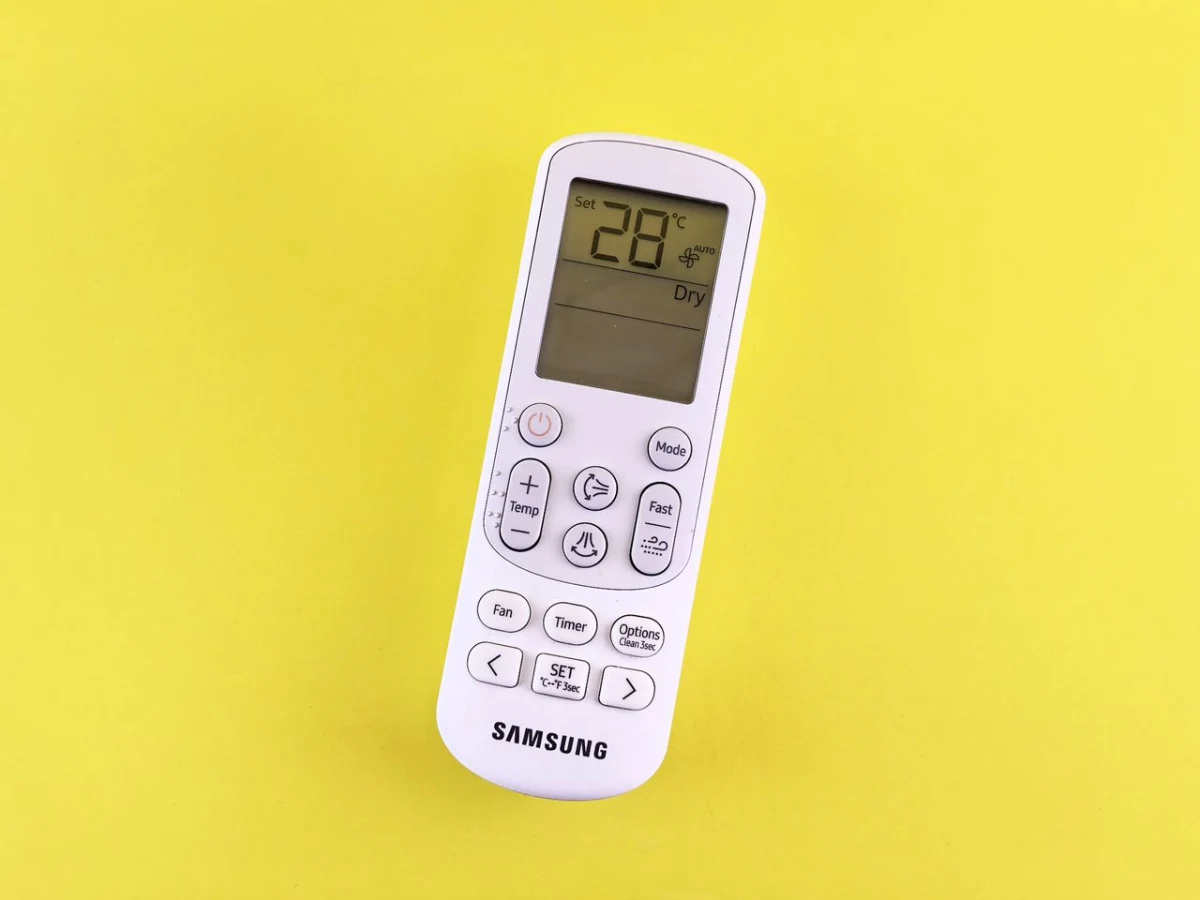
The window AC vs mini split decision is one of the most common HVAC dilemmas for homeowners, renters, and property managers. Both cool a room effectively, but they differ dramatically in efficiency, installation permanence, noise levels, aesthetics, security, and total cost of ownership. The right choice depends on your situation, and in many cases, the answer is genuinely different for different people. This guide breaks down every relevant dimension of the comparison so you can make the decision that's right for your home, budget, and long-term plans.
The short preview: window ACs win on upfront cost and flexibility for renters; mini splits win decisively on efficiency, performance, aesthetics, security, and long-term total cost of ownership for homeowners. But the nuances matter, and there are genuine scenarios where a window unit is the more rational choice. Read on for the full picture.
Upfront Cost Comparison
The cost difference at purchase and installation is the first thing most people notice:
Window AC Units
- 5,000–6,000 BTU (small room): $150–$280
- 8,000–10,000 BTU (medium room): $280–$450
- 12,000–14,000 BTU (large room): $400–$650
- 18,000–25,000 BTU (very large room): $700–$1,200
Installation is essentially self-service: most window ACs can be installed by a homeowner or renter in under an hour with basic tools. No permits, no contractors, no refrigerant work required.
Mini Split Systems
- 9,000 BTU single-zone: $700–$1,400 (equipment only)
- 12,000 BTU single-zone: $800–$1,600 (equipment only)
- 18,000–24,000 BTU single-zone: $1,000–$2,200 (equipment only)
- Professional installation: $800–$2,500 per zone
- Total installed (single zone): $2,500–$5,500
Mini splits require professional installation for standard systems: an HVAC technician must run refrigerant lines, mount both units, make electrical connections, and commission the system. This installation cost is the primary financial barrier to mini split adoption.
Key fact: The window AC market in the U.S. was approximately $2.8 billion in 2025, while the ductless mini split market was approximately $4.2 billion, with mini splits growing at 9.4% annually versus 1.2% for window ACs. The market is reflecting the economic reality that homeowners with long-term perspectives are increasingly choosing mini splits.
Energy Efficiency: Where Mini Splits Win Decisively
Energy efficiency is where the mini split advantage is most dramatic and measurable. SEER2 (Seasonal Energy Efficiency Ratio) measures cooling output per unit of electricity consumed:
- Typical window AC: 8–12 SEER (older rating system equivalent; most window units score 9–11)
- Standard mini split: 18–22 SEER2
- Premium mini split: 22–26+ SEER2
The practical impact of this efficiency gap is significant. For a 12,000 BTU system running 1,200 hours per cooling season at an average electricity rate of $0.18/kWh:
- Window AC (10 SEER): 1,440 kWh, approximately $259/season
- Standard mini split (18 SEER2): ~820 kWh, approximately $148/season
- Premium mini split (24 SEER2): ~615 kWh, approximately $111/season
Annual savings of $110–$148 per zone per year. Over a 15-year system lifespan, a premium mini split saves $1,650–$2,220 in electricity costs per zone compared to a comparable window unit, more than offsetting the higher purchase and installation cost in most markets.
Heating Capability
This is a dimension where the comparison isn't even close: mini splits provide heating; window ACs do not.
Modern heat pump mini splits deliver both cooling and heating using the same system. At 45°F outdoor temperature, common in fall and spring throughout most of the U.S., a mini split operates at a COP (coefficient of performance) of 3.0–4.5, meaning 3–4.5 units of heat for every unit of electricity consumed. This makes mini splits dramatically more efficient for heating than electric resistance baseboard heaters (COP 1.0) and competitive with gas furnaces at current energy prices.
A household that would need a window AC for cooling plus separate electric heaters for heating ends up spending considerably more, both in equipment and operating costs, than a household that installs mini splits that handle both functions efficiently year-round.
Installation and Rental Considerations
Window ACs have a real advantage for renters and temporary situations:
- No permanent modification: Window ACs can be installed and removed without structural changes, important for renters who can't alter the property
- Portability: A window unit can be stored off-season and moved between apartments
- No landlord permission needed: Most leases permit window AC installation; mini split installation typically requires landlord approval and potentially a formal addendum
Mini splits require:
- Penetrating the wall (typically a 3"–4" hole for the refrigerant line set)
- Mounting brackets for both indoor and outdoor units
- Dedicated electrical circuit
- These modifications are essentially permanent and not reversible without patching and painting
Noise Levels
Window ACs and mini splits have very different noise profiles:
Window ACs combine the compressor, condenser fan, and evaporator fan into a single unit that sits partially inside your room. The compressor produces a constant low-frequency hum and vibration transmitted directly into the window frame and surrounding wall. Typical window AC indoor noise: 45–65 dBA depending on fan speed and unit size.
Mini splits separate the noisy components (compressor and condenser fan) into the outdoor unit. The indoor unit contains only the quiet blower fan. Mini split indoor noise levels: 19–38 dBA depending on model and fan speed. At low fan settings, the best mini split indoor units produce less noise than a quiet library (30 dBA), essentially imperceptible during sleep.
For bedrooms and home offices where noise is a significant comfort factor, mini splits win this comparison unambiguously.
Pro tip: If you're comparing a window AC to a DIY mini split (like Mr. Cool DIY or Senville pre-charged line set systems), the cost gap narrows considerably. DIY mini split systems cost $700–$1,200 for equipment and can be installed without HVAC certification, bringing total cost to $900–$1,800 for a single zone, much closer to a quality window unit. For handy homeowners willing to tackle the installation, DIY mini splits offer 90% of the performance benefit at perhaps 60% of the installed cost of a professional mini split.
Security and Aesthetics
Two frequently overlooked comparison points where mini splits have clear advantages:
Security
A window AC unit occupies a window opening and, despite best efforts with security brackets and foam fill kits, represents a potential entry point. Burglars can push in or pull out a window unit, and the filled-window configuration restricts natural ventilation options. A mini split leaves all windows free, intact, and fully operational as security barriers.
Aesthetics
Window ACs are universally considered visually unappealing: both from inside (a boxy machine dominating a window) and outside (a protruding unit visible from the street or yard). They block natural light and views. Mini splits' indoor wall-mount units are sleek, unobtrusive, and positioned high on the wall away from windows and sightlines. The outdoor condenser unit is typically mounted out of primary view. For homeowners with attractive windows, premium interior finishes, or neighborhood aesthetic standards, the visual difference matters.
Lifespan and Reliability
- Window AC lifespan: 8–12 years with regular filter cleaning; the single-unit design with compressor inside the conditioned space subjects electronics to humidity and temperature cycling
- Mini split lifespan: 15–20 years with proper annual maintenance; the separated design protects indoor electronics from the outdoor environment's stresses
Summary: The Right Choice for Your Situation
Choose a window AC when: you're renting, you need a temporary solution, budget constraints are severe (under $500), or you need cooling for only 1–2 months per year in a very mild climate.
Choose a mini split when: you own your home, you want maximum efficiency and lowest operating costs, quiet operation is important, you want both heating and cooling from one system, or you're making a long-term investment in home comfort and value. For homeowners with a 5+ year horizon, mini splits almost always deliver better financial outcomes despite higher initial cost.