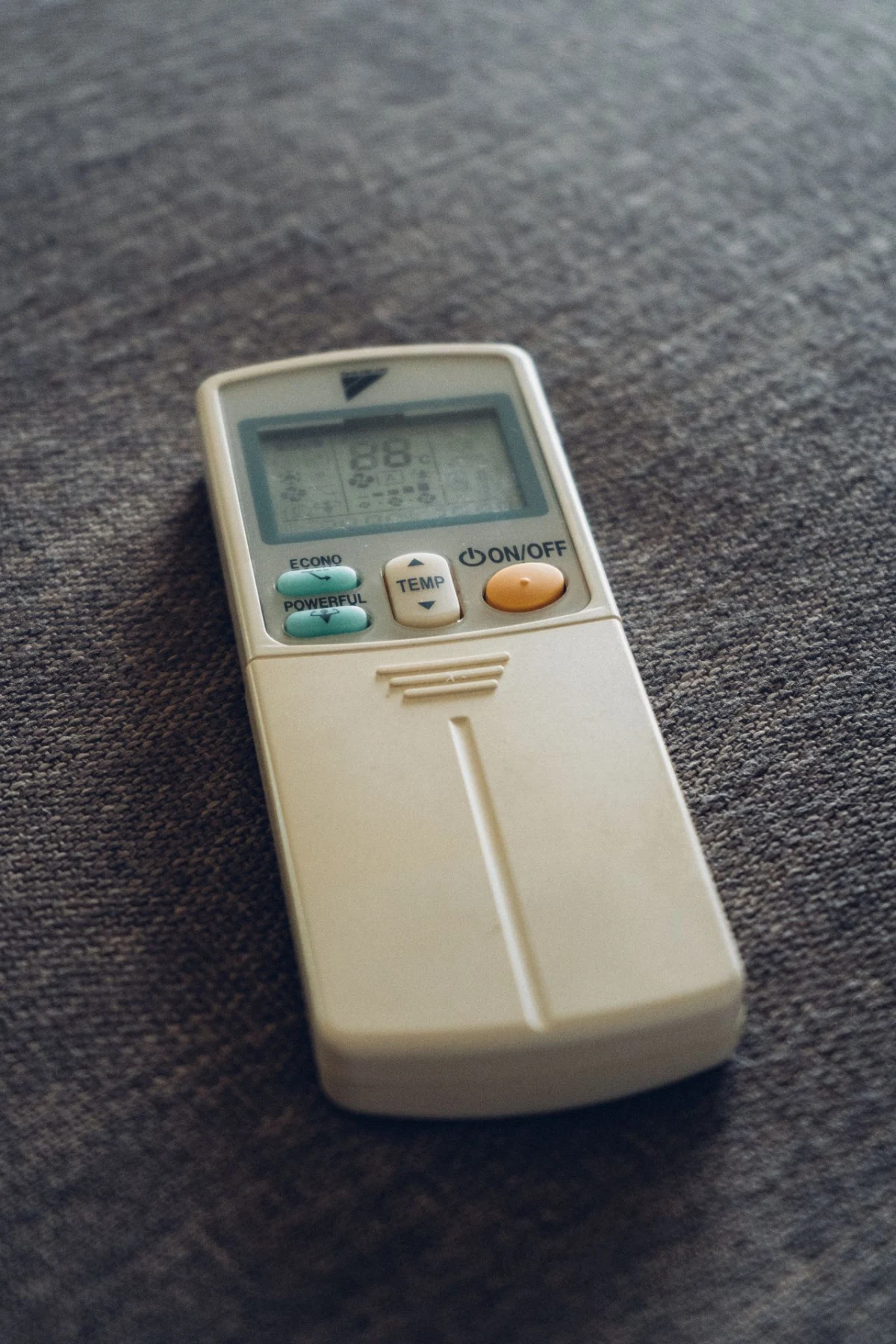
When your mini split displays an error code (blinking lights on the indoor unit, a number or letter code on the display, or a specific flash pattern on the indicator light), understanding what it means is the difference between a quick DIY fix and an unnecessary $150–$300 service call. Mini split error codes are the system's diagnostic language: each code identifies which component or sensor has reported an out-of-range condition, giving you and your HVAC technician a starting point for diagnosis rather than guessing.
This guide covers the most common error codes across the major mini split brands (Mitsubishi, Daikin, Fujitsu, LG, Samsung, and Gree), explains what each typically indicates, and outlines which errors homeowners can address themselves versus which require a licensed HVAC technician. Understanding these codes can save significant money in service costs and help you communicate precisely with technicians when professional service is needed.
How Mini Split Error Codes Work
Modern mini split systems have microprocessors in both the indoor and outdoor units that continuously monitor sensor data: refrigerant pressures, refrigerant temperatures, coil temperatures, ambient temperatures, motor current draw, fan speeds, and communication signals between units. When any sensor reading falls outside the acceptable range for more than a defined time period, the system:
- Shuts down the affected function (or the entire system)
- Stores the fault code in memory
- Displays the code on the indoor unit display, via blinking patterns, or through the WiFi app (for connected systems)
Error codes are not random: each number or letter combination corresponds to a specific monitored parameter. Knowing the code gives you diagnostic direction; not knowing the code means guessing.
Universal Error Code Categories Across Brands
While specific codes vary by brand, most mini split errors fall into these functional categories:
Communication Errors (Indoor-Outdoor Unit)
What it means: The indoor and outdoor units cannot communicate via the control wiring. This is one of the most common error categories and can result from: damaged or disconnected control wire, reverse polarity on wire connections, interference on the signal line, or a failed control board in either unit.
DIY check: Verify the control wire connections at both the indoor and outdoor unit terminals: loose connections are common after installation or after vibration over time. A loose or oxidized connection on any of the 3–5 control wires causes communication errors. Ensure polarity is correct (hot and neutral wires on the dedicated circuit are properly terminated).
When to call a tech: If connections are tight and correct, a communication error likely indicates a failed PCB (printed circuit board) in one of the units, a repair requiring professional diagnosis and component replacement costing $200–$600 for the board plus labor.
Temperature Sensor Errors
What it means: One or more thermistors (temperature sensors) is reading out of range or has failed. Modern mini splits have 5–12 temperature sensors: indoor ambient, indoor coil inlet, indoor coil outlet, outdoor ambient, outdoor coil, discharge line, suction line, and others depending on the model.
DIY check: Temperature sensor errors are occasionally caused by dirt or debris interfering with the sensor rather than sensor failure. Cleaning the indoor coil and filter, which can insulate the indoor coil sensor from the airstream, sometimes resolves indoor sensor errors. Outdoor sensors exposed to direct sun or near a heat source can also read erroneously.
When to call a tech: Most temperature sensor failures require technician diagnosis with a multimeter to verify sensor resistance values against manufacturer specifications, and replacement of the faulty sensor (typically $50–$200 part + labor).
High/Low Pressure Errors
What it means: Refrigerant pressures are outside the acceptable range for operating conditions. High pressure typically indicates: dirty outdoor coil, failed outdoor fan motor, restricted refrigerant flow, or overcharge. Low pressure typically indicates: refrigerant leak, dirty indoor coil, failed indoor fan motor, or undercharge.
DIY check: Before calling a tech, check the obvious: Is the outdoor unit's coil clogged with debris, cottonwood, or pet hair? Is the outdoor fan spinning? Is the indoor coil extremely dirty or iced over (indicating airflow restriction)? Cleaning accessible surfaces and replacing filters can resolve pressure errors caused by restricted airflow.
When to call a tech: Any pressure error that doesn't resolve after cleaning requires refrigerant pressure testing with manifold gauges, a task requiring EPA Section 608 certification and refrigerant handling equipment. Refrigerant leaks must be found, repaired, and the system recharged by a licensed technician.
Key fact: Refrigerant-related errors are the most common reason homeowners call for mini split service. EPA Section 608 regulations prohibit the venting of refrigerants and require certified technicians for all refrigerant handling. Attempting to add refrigerant to a mini split system without certification and manifold gauges is both illegal and likely to create new problems: adding refrigerant to a leaking system merely delays the proper repair while wasting refrigerant. When a tech diagnoses a refrigerant issue, ask for the leak test results and repair documentation before paying for a recharge.
Brand-Specific Error Code Reference
Mitsubishi Electric Mini Split Error Codes
Mitsubishi's error codes use a two-digit alphanumeric system displayed on the indoor unit or via the kumo cloud app:
- E1: Serial communication error between indoor and outdoor units. Check control wiring connections
- E3: Outdoor unit high pressure protection. Check outdoor coil cleanliness and fan motor operation
- E4: Low pressure protection, possible refrigerant leak; call technician
- E5: Compressor overcurrent, possible compressor failure or low voltage supply issue
- E6: Fan motor error (indoor or outdoor depending on which unit displays). Check for obstruction or motor failure
- U1: Abnormal high pressure in outdoor unit
- U2: Low voltage protection. Check electrical supply voltage (should be 220–240V)
- U3, U4: Serial communication errors, wiring or PCB issue
- P1–P9: Temperature sensor errors at various points in the refrigerant circuit
Daikin Mini Split Error Codes
Daikin displays codes on the indoor unit display or via Daikin One+ app:
- A1: Indoor unit PCB failure
- A3: Indoor unit drain level error, float switch triggered; drain is blocked or full
- A5: Indoor unit coil frost protection or high temperature protection
- C4: Indoor liquid coil temperature sensor error
- C9: Indoor suction air temperature sensor error
- E1: Outdoor unit PCB failure
- E3: High pressure protection, outdoor coil blockage or fan failure
- E4: Low pressure protection, possible refrigerant issue
- E7: Outdoor fan motor lock error
- H6: DC motor protection (fan motor issue)
- U0: Refrigerant shortage, low refrigerant level detected
- U2: Low/high voltage protection
- U4: Communication error indoor-outdoor
Fujitsu Mini Split Error Codes (Flash Codes)
Fujitsu systems display error codes as flash sequences on the operation lamp (older units) or via FGLair app (newer units). Count flashes: pause between groups:
- 2 flashes: Temperature sensor fault (indoor or outdoor)
- 3 flashes: Fan motor error
- 4 flashes: Drain pump or float switch error
- 5 flashes: Communication error between indoor and outdoor units
- 6 flashes: High pressure protection
- 7 flashes: Low pressure protection
- 8 flashes: Compressor overcurrent
- 9 flashes: Outdoor ambient sensor error
- 10 flashes: Compressor discharge temperature error
LG Mini Split Error Codes
- CH01: Indoor ambient temperature sensor fault
- CH02: Indoor inlet coil temperature sensor fault
- CH03: Indoor outlet coil temperature sensor fault
- CH04: Outdoor temperature sensor fault
- CH05: Outdoor inlet coil sensor fault
- CH10: Indoor/outdoor communication error
- CH12: Outdoor discharge temperature sensor fault
- CH21: High pressure protection
- CH22: Low pressure protection
- CH23: Compressor overcurrent protection
- CH38: Fan motor error (indoor or outdoor)
- CH67: Communication between indoor units in multi-zone systems
Pro tip: Many apparent mini split error codes resolve with a simple system reset: turn the unit off via the remote, turn off the breaker for the mini split at the electrical panel, wait 5 minutes (this clears capacitors and resets the microprocessor), restore power, and allow the system to restart. Transient errors caused by brief voltage spikes, power fluctuations, or temporary sensor readings outside normal range often clear on their own with a reset. If the code reappears within 30 minutes of the reset, the underlying condition is persistent and needs diagnosis. If it stays clear, monitor for recurrence, occasional one-time codes in otherwise normal systems are not cause for alarm.
Drain Errors: A Common and Preventable Issue
Drain-related error codes (Daikin A3, Fujitsu 4 flash, various drain float errors across brands) are among the most common in humid climates. Mini split indoor units produce condensate during cooling operation, typically 1–3 pints per hour in humid conditions. This condensate must drain through the condensate line. When the drain line clogs (usually with algae, mold, or debris), the collection pan fills and triggers the float switch, shutting the system down.
DIY prevention: Flush the condensate drain line with a cup of dilute bleach solution (1 part bleach, 16 parts water) or a product like Nu-Calgon Condensate Pan Tablets every 3–6 months. Clear visible drain line connections at the indoor unit connection point. Many homeowners prevent drain errors entirely with annual preventive maintenance that includes drain line flushing.
When an Error Code Means Stop Using the System Immediately
Most error codes simply prevent the system from operating until the fault is cleared. This is the safe default. However, a few error code categories warrant immediately turning the system off at the breaker and not restarting until serviced:
- Compressor overcurrent errors (E5 Mitsubishi, CH23 LG, etc.): Can indicate compressor failure, electrical wiring problem, or low voltage. Continuing to attempt restarts can damage the compressor further or create electrical hazards
- Any error accompanied by burning smell, visible smoke, or unusual noise: Turn off at breaker immediately; call technician before restarting
- Refrigerant-related errors with ice visible on refrigerant lines: Ice on suction lines indicates low refrigerant or severe airflow restriction; continuing to operate risks compressor damage
Summary: Error Codes Are Diagnostic Tools, Not Catastrophes
Most mini split error codes indicate a specific, diagnosable condition that is either user-resolvable (dirty filter/coil, loose wire connection, clogged drain) or requires professional service (refrigerant issues, failed sensors, PCB problems). Knowing your brand's code vocabulary lets you triage accurately: clean what's accessible, reset the system, check connections, and call a licensed HVAC technician with the specific error code information when DIY steps don't resolve the issue. Communicating the exact error code to your technician saves diagnosis time and results in faster, more targeted repairs.