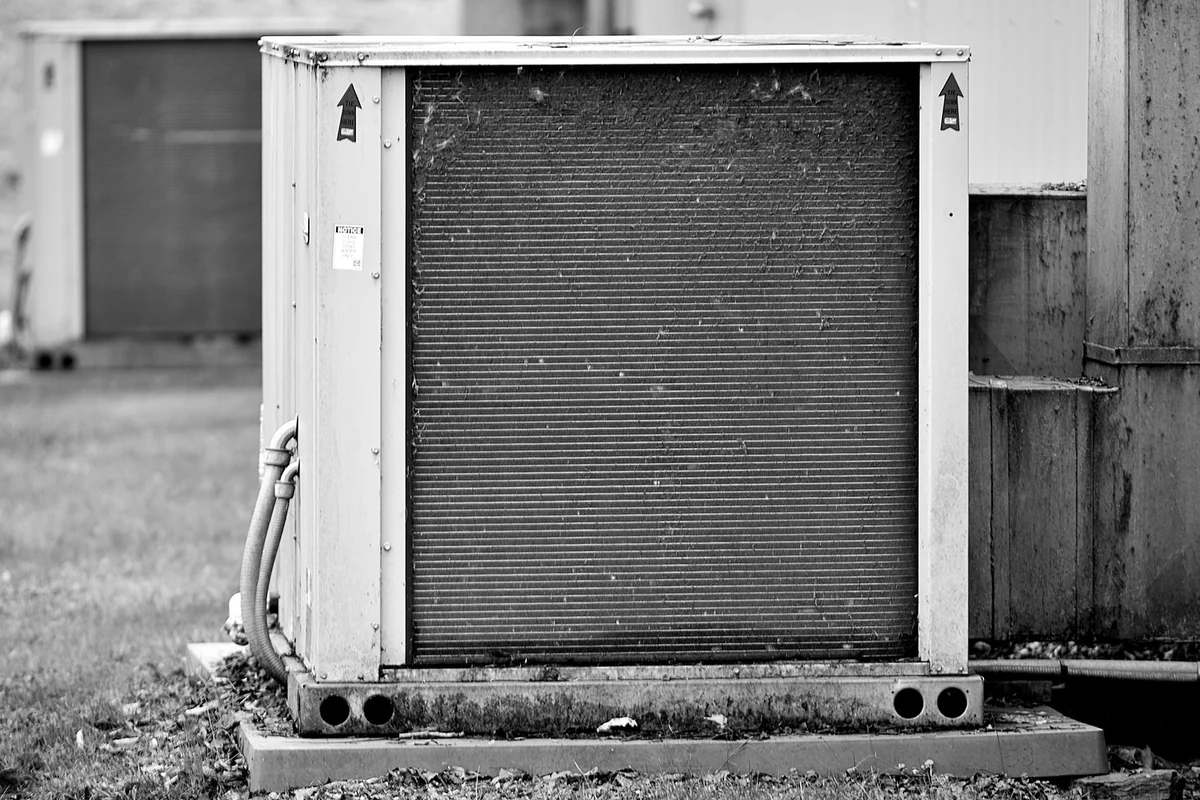
If you're considering a ductless mini split system, one of the first questions you'll likely ask is: how long do mini splits last? Understanding mini split lifespan helps you plan your investment, budget for maintenance, and know when it's time to replace rather than repair. The good news is that modern mini splits are built to last: with proper care, most systems deliver reliable performance for 15 to 20 years, and some exceed 25 years in service.
Mini splits have become the gold standard for zone-controlled comfort in homes, additions, and commercial spaces. Their longevity is one of their strongest selling points compared to traditional central air systems. But lifespan varies depending on brand quality, climate conditions, installation quality, and how diligently you maintain the system. This guide breaks down everything you need to know about mini split durability, the factors that shorten or extend service life, and how to recognize when replacement makes more financial sense than another repair.
Average Mini Split Lifespan: What the Data Shows
The average mini split lifespan is 15 to 20 years under normal residential use. This is comparable to a central HVAC system's life expectancy, but mini splits often outperform central air in reliability because they have fewer moving parts and no ductwork to degrade. Premium brands like Mitsubishi, Daikin, and Fujitsu routinely hit the 20-year mark, especially when installed correctly and maintained annually.
Commercial mini splits in high-demand environments, running 16 to 24 hours per day, tend to show wear faster, typically lasting 10 to 15 years. In contrast, a residential mini split used seasonally in a mild climate can easily reach 20 to 25 years before requiring replacement.
Key fact: According to the Air-Conditioning, Heating and Refrigeration Institute (AHRI), ductless mini split systems have an average service life of 15–20 years, compared to 12–15 years for traditional central air conditioning units with ductwork.
The indoor air handler unit and the outdoor compressor unit age at different rates. The indoor unit typically handles less mechanical stress and can last longer, sometimes 20 to 25 years. The outdoor compressor unit bears the brunt of weather exposure, temperature extremes, and constant cycling, which is why it tends to be the first component to need attention. When the outdoor unit fails after 15+ years, homeowners often face a decision: replace just the compressor unit or upgrade the entire system to take advantage of newer SEER2 efficiency ratings.
Key Factors That Determine How Long Your Mini Split Lasts
Not all mini splits age at the same rate. Several critical factors influence whether your system reaches 12 years or pushes past 25. Understanding these variables helps you make informed decisions about installation, maintenance, and product selection.
Installation Quality
Improper installation is the single biggest killer of mini split longevity. A system installed with incorrect refrigerant charge, inadequate line set insulation, improper mounting angle on the indoor unit (which affects condensate drainage), or undersized electrical circuits will experience premature wear and compressor stress. Always use a licensed HVAC technician with specific mini split experience. The cost difference between a skilled installer and a cut-rate job can mean the difference between 10 years and 20 years of reliable service.
Refrigerant charge precision is especially critical. An overcharged or undercharged system forces the compressor to work harder than designed, dramatically shortening its life. A certified technician uses manifold gauges and weighs refrigerant to manufacturer specifications, not guesswork.
Brand and Component Quality
Tier-one brands invest heavily in compressor technology, coil materials, and control board quality. Mitsubishi Electric, Daikin, Fujitsu, and LG consistently receive high reliability ratings in consumer surveys and professional installer reviews. Their compressors, typically inverter-driven scroll compressors, are engineered to handle millions of start/stop cycles over decades of operation.
Budget brands from lesser-known manufacturers may use lower-grade compressors with tighter tolerances, cheaper capacitors, and control boards more susceptible to voltage spikes. While the upfront cost savings can seem attractive, a system that fails at year 8 instead of year 18 represents a significantly worse total cost of ownership.
Climate and Operating Conditions
Extreme climates stress mini split components more than moderate ones. Systems operating in areas with 100°F+ summers work their compressors harder and cycle more frequently. Coastal environments expose outdoor units to salt air, which accelerates coil corrosion and can damage electrical connections. Dusty environments clog filters faster and reduce heat exchange efficiency, forcing harder operation.
Mini splits designed for harsh environments often include Blue Fin or Gold Fin anti-corrosion coatings on their coils, UV-resistant cabinet plastics, and sealed electrical compartments. If you live near the ocean or in a desert with heavy dust, specifying these corrosion-protection features at purchase will meaningfully extend outdoor unit life.
Maintenance Frequency
This is the most controllable factor in mini split lifespan. A well-maintained system can outlast a neglected one by 5 to 10 years. The indoor unit's washable filters need cleaning every 2 to 4 weeks during heavy use seasons. The outdoor unit's coils should be inspected and rinsed annually. Condensate drain lines need periodic flushing to prevent algae buildup and water damage. Refrigerant levels should be verified every 3 to 5 years by a technician.
Pro tip: Set a recurring phone calendar reminder every month during cooling and heating seasons to clean your mini split's indoor filter. This single habit, taking less than 10 minutes, is the highest-impact thing you can do to extend system life and maintain peak efficiency.
Mini Split Lifespan by Component
Understanding which parts wear first helps you anticipate costs and make smarter repair-vs-replace decisions when something goes wrong.
Compressor (Outdoor Unit)
The compressor is the heart of your mini split and typically the most expensive component. Quality inverter compressors are rated for 100,000+ operational hours, roughly 11 to 14 years of continuous operation, or much longer in typical residential use where the system cycles on and off. Most premium brands back their compressors with 10-year warranty coverage when registered within 60 days of installation. A compressor replacement costs $800 to $2,500 in parts alone, which is why a failed compressor on an older system often triggers a full replacement decision.
Indoor Air Handler
The indoor unit contains the evaporator coil, blower fan, and control board. These components face less environmental stress than the outdoor unit and commonly outlast it. The blower motor bearings are the most wear-prone indoor component, typically lasting 15 to 20 years with proper lubrication and filter maintenance. Evaporator coil corrosion can occur if the unit is exposed to cleaning chemicals or if acidic condensate is allowed to pool. Proper drainage prevents this.
Control Boards and Electronics
Electronic control boards are increasingly sophisticated in modern mini splits, managing inverter drive signals, temperature sensing, fault detection, and communication between indoor and outdoor units. These boards can fail from power surges, lightning strikes, or simple component aging. A surge protector on your mini split's electrical circuit is a low-cost investment that protects expensive control boards. Replacement control boards typically cost $200 to $600 and can extend a system's life by years when other components are still sound.
Refrigerant Lines and Connections
The refrigerant line set connecting indoor and outdoor units, typically copper tubing insulated with closed-cell foam, can last 25+ years when properly installed and insulated. However, insulation degrades over time from UV exposure and weather, leading to condensation and reduced efficiency. Flare connections at the unit connections are potential leak points if not properly torqued during installation. A slow refrigerant leak, even a small one, gradually reduces system performance and, if untreated, can destroy a compressor.
Signs Your Mini Split Is Nearing End of Life
Knowing the warning signs of a failing system helps you plan proactively rather than face an emergency breakdown on the hottest day of summer. Here are the key indicators that your mini split lifespan is approaching its end:
- Declining efficiency: Your energy bills creep up year over year even though usage patterns haven't changed. A system that once maintained 72°F easily now struggles to reach setpoint on hot days.
- Frequent error codes and fault resets: Modern mini splits self-diagnose problems and display error codes. Occasional faults are normal; frequent, recurring faults indicate systemic component wear.
- Unusual noises: Grinding, rattling, or squealing from the indoor or outdoor unit suggests bearing wear, loose components, or fan blade issues. These often signal compressor or motor degradation.
- Refrigerant leaks requiring repeated recharging: A system that needs refrigerant added every season has a leak. Repeated recharging without fixing the leak is expensive and masks the real problem.
- Ice formation on the indoor unit: Icing indicates restricted airflow (dirty filters or coils) or low refrigerant, both of which stress the compressor significantly.
- System age over 15 years combined with major repair needed: The classic repair-vs-replace decision point. A $1,200 compressor repair on a 17-year-old system may not be cost-effective when a new system carries a 10-year warranty and is 30% more efficient.
Repair vs. Replace: Making the Smart Financial Decision
When your mini split needs a major repair, the age of the system matters enormously. HVAC professionals often use the "$5,000 rule": multiply the age of the system (in years) by the repair cost. If the result exceeds $5,000, replacement is generally more cost-effective.
For example: A 12-year-old system needing a $350 control board replacement = 12 × $350 = $4,200. Below the threshold, repair makes sense. A 16-year-old system needing a $900 compressor repair = 16 × $900 = $14,400. Well above the threshold, replacement is likely the smarter choice.
Beyond pure math, consider efficiency gains. A mini split from 10 years ago may have been rated at 16–18 SEER. Today's replacement units routinely achieve 20–26 SEER2 (equivalent to even higher SEER under the old rating system). At current electricity rates, that efficiency improvement can translate to $150–$400 per year in energy savings, which significantly improves the financial case for replacement over repair on older systems.
Key fact: Replacing a 15-SEER mini split from 2012 with a modern 22-SEER2 unit can reduce cooling energy consumption by 30–40%, paying back the equipment cost difference in 4–7 years through utility bill savings, depending on your local electricity rate.
How to Maximize Your Mini Split's Lifespan
With proper care, your mini split can deliver exceptional comfort well into its second decade. Here's a practical maintenance framework that extends service life while keeping efficiency high:
Monthly Tasks (During Active Use Seasons)
- Remove and rinse indoor filter panels with warm water. Allow to dry completely before reinstalling
- Inspect the indoor unit for unusual sounds or odors during operation
- Verify condensate is draining properly (no water pooling under the indoor unit)
Seasonal Tasks (Spring and Fall)
- Inspect outdoor unit for debris accumulation (leaves, grass clippings, dirt) on coil fins
- Gently rinse outdoor coil with garden hose, never a pressure washer, which damages fins
- Clear vegetation at least 18 inches from all sides of the outdoor unit
- Verify the outdoor unit is level: settling can affect compressor oil distribution
Annual Professional Service
- Refrigerant pressure check and leak detection
- Electrical connection torque inspection
- Condensate drain flush and treatment
- Indoor coil inspection and cleaning
- Control board and sensor diagnostic check
- Outdoor coil professional cleaning if heavily soiled
The annual professional service call costs $100 to $250 depending on your area and what's included. Over a 20-year system life, that's $2,000 to $5,000 in maintenance costs, but it's the investment that keeps a $3,000 to $5,000 system running reliably rather than failing prematurely at year 10.
Summary: Getting the Most From Your Mini Split Investment
Mini split lifespan averages 15 to 20 years, with premium systems from top-tier brands routinely exceeding those figures under good maintenance practices. The most critical factors in your system's longevity are installation quality, brand selection, climate conditions, and how consistently you maintain filters and schedule professional service. Understanding the signs of aging (declining efficiency, frequent faults, unusual noises, refrigerant loss) lets you plan replacements proactively rather than reactively. And when repairs are needed on an older system, the repair-vs-replace calculation, combined with the efficiency gains from modern SEER2 equipment, often makes full replacement the smarter long-term investment. Treat your mini split well, and it will deliver years of reliable, efficient comfort well beyond what most homeowners expect.